DATE TO BE DEFINED
28 hours
Online and PIEP, Guimarães
2Edition

Training in composite materials (properties, applications and design)

Date

Start

DATE TO BE DEFINED

End

DATE TO BE DEFINED

Target

Managers, middle and senior management from companies seeking to enhance their knowledge in the field of composite materials processing technologies.

General Objectives

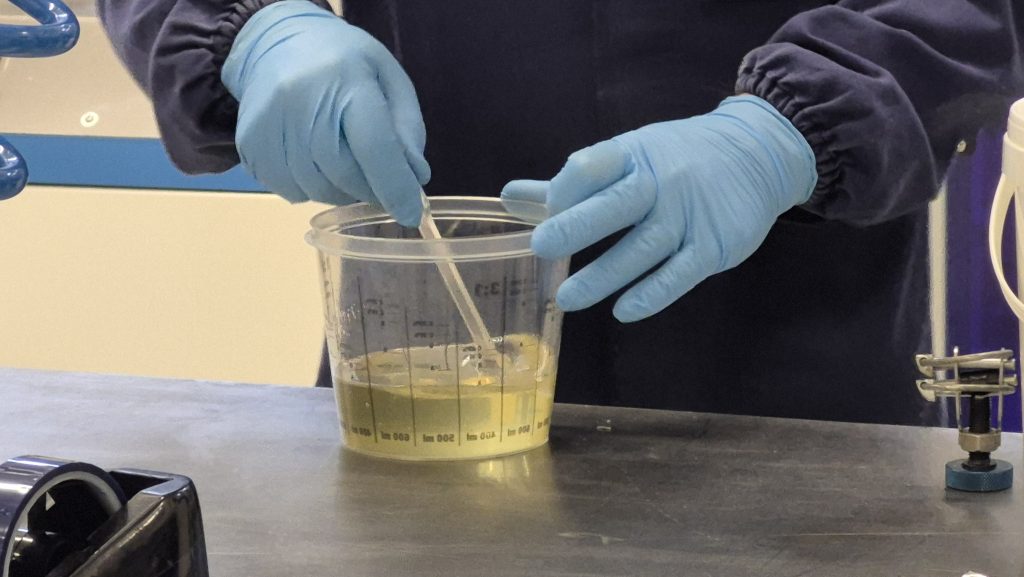
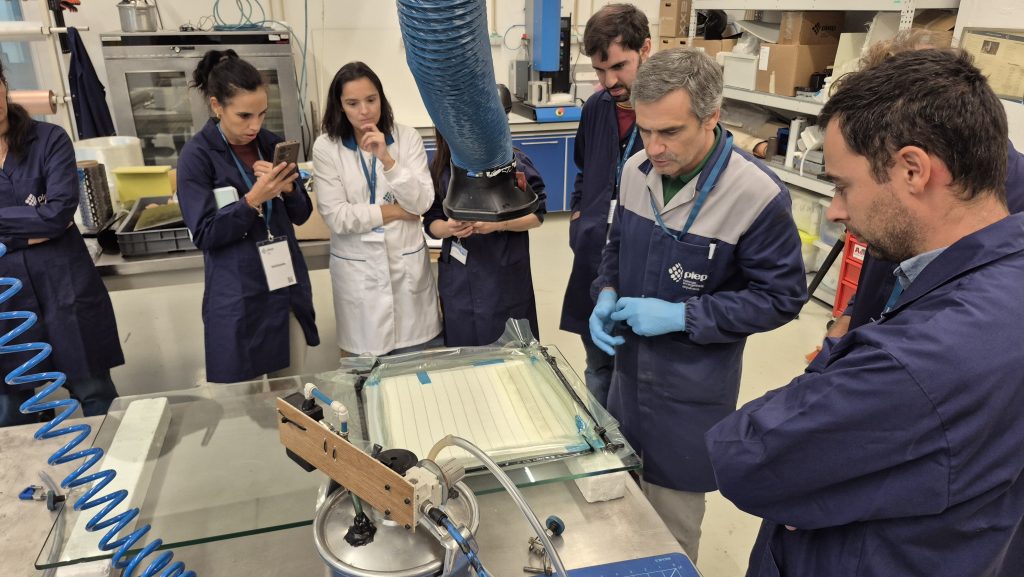
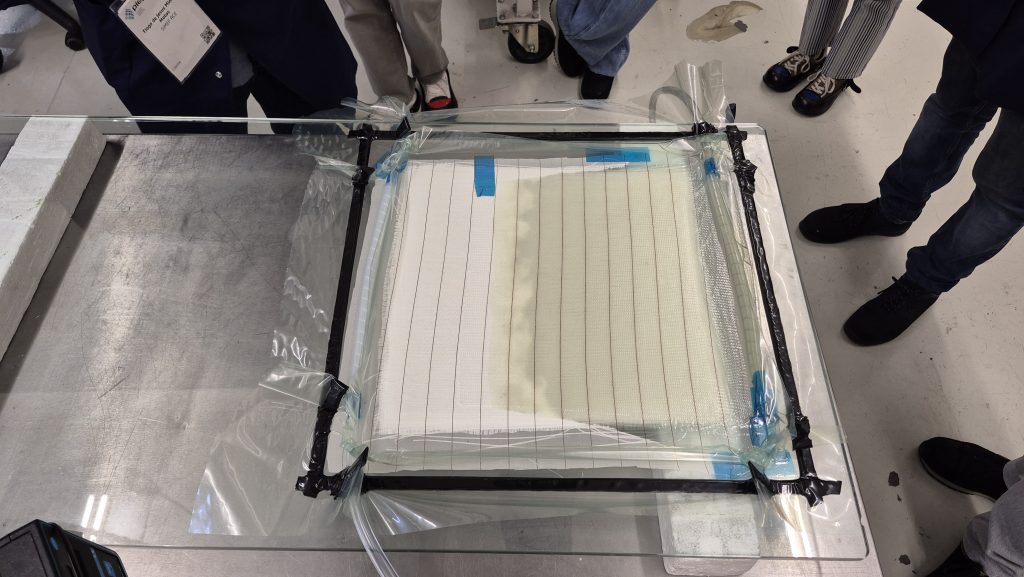
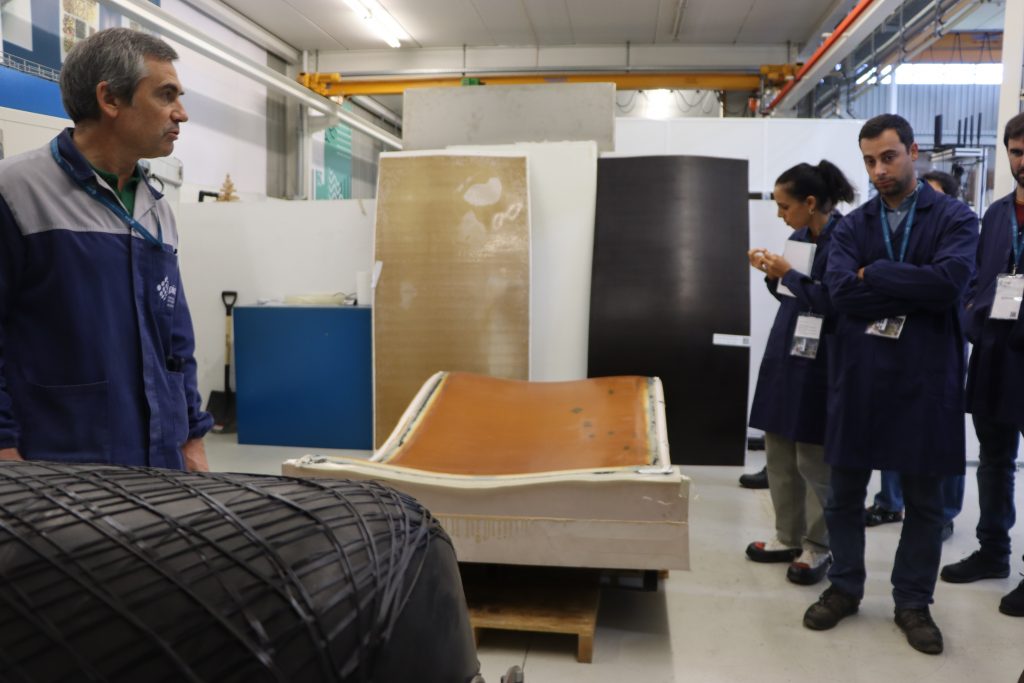
To equip students with knowledge and skills relating to the production and processing of composite materials, as well as to impart knowledge and concepts concerning the various constituents of these types of materials and the basic materials science involved. During the practical sessions, the knowledge acquired in previous sessions will be consolidated through the production of manufacturing tools and composite components.

Specific Objectives

  • To distinguish and identify the different constituents of composites, their properties and applications;
  • To understand the main manufacturing processes;
  • To understand the main advantages and disadvantages of composite materials;
  • To acquire a basic understanding of polymerisation, monomers and polymers.
  • Be familiar with the main resins and their formulation; distinguish between thermoplastic and thermosetting resins, and their different fields of application;
  • Identify the main reinforcing and matrix materials used in composites, as well as their properties and characteristics;
  • Be familiar with the applications of composite materials, and be able to identify the strengths and weaknesses of these applications in comparison with traditional materials;
  • To identify the different types of joints (mechanical and adhesive), their differences and fields of application;
  • To acquire knowledge of the main properties of the constituents of composite materials, and to quantify the properties of the matrix-reinforcement system.
  • To be familiar with the main standards for the characterisation of composite materials;
  • To identify the principles underpinning correct design and the tools available to assist with this.
  • To have a basic understanding of the tools available to assist with design.

Program Content

Module 1

An Introduction to composite materials

2 hours

Module 2

Polymer matrices for composite materials

2 hours

Module 3

Reinforcements, matrixes and additives for composite materials

2 hours

Module 4

Applications of composite materials

2 hours

Module 5

Structural joints in composite materials

2 hours

Module 6

Properties of composite materials

6 hours

Module 7

Design using composite materials

6 hours

Module 8

Demonstration of production techniques

6 hours

Date, time and duration of each session

Session 1

Module 1

21 Sep 26

09h00 - 11h00

Session 2

Module 2

21 Sep 26

11h00 - 13h00

Session 3

Module 3

21 Sep 26

14h00 - 16h00

Session 4

Module 4

22 Sep 26

09h00 - 11h00

Session 5

Module 5

22 Sep 26

11h00 - 13h00

Session 6

Module 6.1

23 Sep 26

09h00 - 12h00

Session 6

Module 6.2

23 Sep 26

14h00 - 17h00

Session 7

Module 7.1

24 Sep 26

09h00 - 12h00

Session 7

Module 7.2

24 Sep 26

14h00 - 17h00

Session 8

Module 8.1

02 Oct 26

09h00 - 12h00

Session 8

Module 8.2

02 Oct 26

14h00 - 17h00

Cost per Trainee

Non
Associated

700€

PIEP and/or APIP Associate
University Student

15% Discount

No. Trainees

Minimum

8

Maximum

15

Trainers

Paulo Antunes

  • PhD in Polymer Science and Engineering;
  • Computational mechanics, constitutive modelling of polymeric materials, assessment of the structural integrity of critical components;
  • Technical manager on various projects (European and national) in the fields of materials science, computational mechanics and monitoring the structural integrity of critical components;
  • Author of over 45 scientific articles; holder of an international patent.

Joana Malheiro

  • PhD in Mechanical Engineering;
  • Master’s degree in Textile Engineering, University of Beira Interior;
  • Thermosetting and thermoplastic composite materials; Sensorisation and testing of composite systems; Simulation of composite manufacturing processes (RTM, VARI, filament winding, and thermoforming);
  • Analysis and testing of composite materials;
  • Non-destructive testing (NDT) using ultrasound;
  • Rheological analysis and testing; transport phenomena (fluid dynamics, analysis and simulation of fluid flow);
  • Materials analysis and testing (mechanical, thermal, and surface properties); Textile materials (analysis, testing, and manufacture).

Miguel Vasconcelos

  • Bachelor’s degree in Mechanical Engineering, FEUP, specialising in Mechanical Structures;
  • Design and specification of tanks, pipework, and various items of equipment and fittings;
  • Manufacture of glass-fibre-reinforced plastic equipment;
  • R&D and standardisation applied to the sector.

To make your application fill out the following form

Previous Editions

Testimonials

"

Joana Lopes

R&D and Innovation Engineer, Graphenest

The training course was extremely useful and comprehensive, covering the main constituents of composite materials – from polymer matrices to reinforcing materials – as well as their physical and mechanical properties, manufacturing processes and key applications. Aspects relating to their characterisation and the design of composite components were also explored. Having an academic background in chemistry and materials science, but with more limited knowledge in the field of polymers and composites, I believe that the course enabled me to acquire a solid foundation of knowledge and to better understand the characteristics, potential and challenges associated with these types of materials.